
Analyse, peinture, maison
Peintre Analyse
Observer l'émotion, décrire le visible, replacer l'oeuvre, puis lire la composition jusque dans les détails.
- 01Impression première
- 02Ce qui est visible
- 03Contexte de l'oeuvre
- 04Tracés de composition
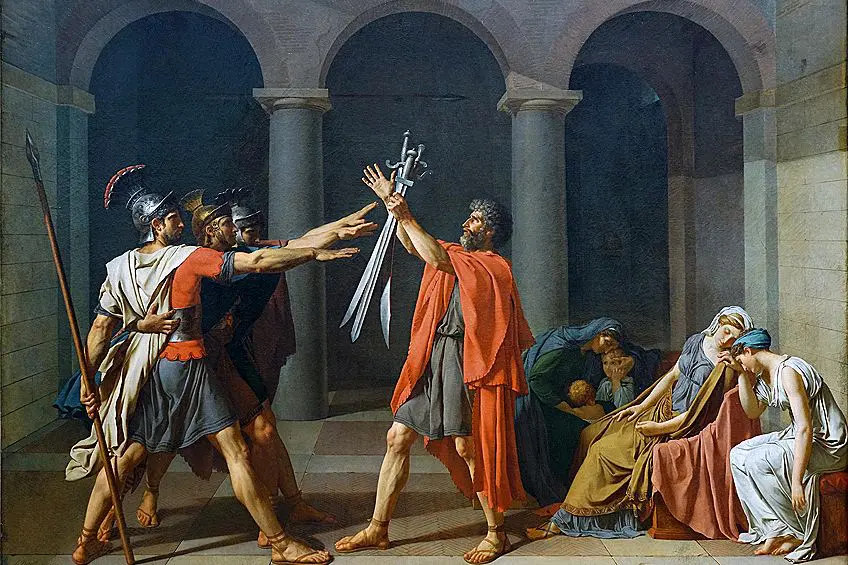
Le regard s’aiguise
Une toile commence par une impression, puis se précise : gestes, lumière, cadrage, détails, tensions entre les figures. Chaque analyse suit ce passage du ressenti à l’observation.
- 01 Impression
Nommer ce que l’œuvre provoque avant de chercher la preuve.
- 02 Visible
Repérer les corps, les objets, les ombres et les gestes.
- 03 Contexte
Relier la scène à son époque, sa commande et ses symboles.
- 04 Composition
Suivre lignes, diagonales, masses et points de tension.
Lire une œuvre
Sujet, couleurs, lignes de force, symboles et époque se répondent. Le tableau devient un récit visuel où chaque choix du peintre modifie la scène.
Lumière
Elle découpe les visages, attire l’œil et fixe l’intensité de la scène.
Lignes
Axes, diagonales et courbes guident le parcours du regard.
Gestes
Une main, un dos tourné ou un regard déplacent tout le sens.
Couleurs
La palette installe une température, une menace ou une paix.
Symboles
Un miroir, une fleur ou une bougie portent la part silencieuse.
Époque
Commande, ville, croyances et rivalités donnent du poids aux choix visibles.
Chemins de lecture
Entrer dans la peinture par l’œuvre, l’artiste, le mouvement ou la place d’un tableau dans un intérieur.
Œuvres décodées
Scènes, détails et compositions passés à la loupe.
ArtistesSignatures à suivre
Obsessions, gestes et ruptures qui rendent une main reconnaissable.
MouvementsÉpoques en tension
Renaissance, baroque, romantisme, impressionnisme et abstraction.
DécorationTableaux chez soi
Formats, palettes et matières qui changent une pièce.
Dernières lectures
Les nouvelles lectures du site pour garder un œil sur les œuvres, les artistes, les couleurs et les liens entre peinture et maison.
Le détail décide
David, Vermeer, Delacroix, Monet ou Hopper révèlent leur puissance dans les détails : une main tendue, une diagonale, une ombre, un regard placé au bon endroit.
Styles en mouvement
Chaque courant invente sa manière de voir le monde, le corps, la lumière et l’espace.
Perspective
Le monde s’ordonne autour d’un œil humain.
Théâtre
La lumière dramatise les corps et les gestes.
Vertige
La peinture cherche l’élan, la tempête et la rupture.
Vibration
La touche capte l’air, l’instant et la lumière.
Essentiel
Formes et couleurs portent seules la tension.
La composition parle
Triangles, axes, symétries, ruptures et points de fuite organisent l’émotion. Derrière l’apparente liberté d’une image, une architecture dirige l’œil.
Œuvres en contexte
Une peinture naît dans une commande, une ville, une croyance, une rivalité, une révolution ou un atelier.
La peinture chez soi
Une œuvre transforme une pièce par son format, sa palette et son intensité. Un paysage calme, un portrait frontal ou une abstraction vive ne produisent pas la même présence.
Deux œuvres, deux silences
Comparer deux images rend visibles les écarts : distance au sujet, poids des ombres, place du spectateur, tension des couleurs.
Voir plus juste
Quelques repères suffisent à transformer la visite d’un musée, le choix d’un tableau ou la lecture d’une reproduction.
Zoom
Isoler un détail avant de revenir à l’ensemble.
Cadre
Voir ce que le peintre montre et ce qu’il exclut.
Contraste
Mesurer les tensions de lumière, de matière et de couleur.
Question
Garder une hypothèse ouverte devant l’image.
Voir plus longtemps
Plus le regard reste, plus la toile se déplace : le sujet principal recule, les détails montent, les lignes apparaissent, et l’image gagne une seconde lecture.